

Ego is not the enemy of entrepreneurship. In fact, it’s often the fuel.
Ego is what convinces you to take risks others avoid. It’s what drives eighty-hour workweeks, pushes you through setbacks and gives you the confidence to attempt what most people consider impossible. It’s the same force elite athletes, military leaders and high performers rely on to win.

Start Your Free Debt Relief Plan Now
Connect with experts who help businesses get back on track.
No obligation. Available same-day.
In business, ego helps you start.
But unchecked ego—especially ego driven by emotion—is one of the fastest ways to make bad decisions.
Where Ego Becomes a Liability
Ego is where emotion lives. And when emotion starts making business decisions, judgment suffers.
Good decisions don’t require emotional intensity. They require logic, structure and discipline. Emotion clouds perspective, narrows options, and causes owners to protect their feelings rather than the business.
An ego in balance is a powerful tool. An ego ruled by emotion is a liability.
Let’s look at where this shows up most often.
Pricing
Most small business owners don’t price based on math. They price based on fear.
Instead of calculating fixed costs, variable costs and required profit, they look sideways at competitors and ask, “What will the market tolerate?”
When Starbucks entered the market, its pricing was considered outrageous. But Starbucks didn’t price emotionally. They priced logically. They understood their cost structure, their brand and their model—and ignored cheaper competitors entirely.
Many small businesses do the opposite. They underprice to avoid rejection, sacrifice margins and quietly bleed cash, all because emotion overrides logic.
Payroll
When revenue drops, payroll must adjust. That’s a business reality.
But emotionally driven owners often refuse to reduce headcount because they care about their employees—and that’s admirable. Unfortunately, protecting payroll at the expense of the business often destroys both.
Carrying employees you can’t afford doesn’t save jobs. It delays the inevitable and increases the damage. Keeping “Frank” busy with low-impact work may feel compassionate, but if it sinks the company, everyone loses. This is logic versus emotion in its purest form.
Inventory
Inventory makes owners feel safe. That’s the problem. Stocking every size, color and variation creates the illusion of control while tying up enormous amounts of capital in products that may take years to sell—if they sell at all.
Low inventory turns are not a strategy. They’re an emotional crutch. Excess inventory is rarely about customer demand. It’s about the owner’s need for security.
Accounts Receivable
Shipping to customers who haven’t paid is one of the most common emotional traps in business. Owners keep shipping because they fear losing the customer. Meanwhile, receivables grow, cash flow tightens and the risk compounds. Eventually, the customer leaves anyway, taking future revenue with them.
An AR report full of unpaid invoices isn’t wealth. It’s exposure. This is emotion masquerading as optimism—and it’s expensive.
Payables
Payables decisions are often driven by discomfort, not strategy. Owners pay the loudest creditor instead of the most critical one. They avoid difficult conversations and misallocate cash just to reduce short-term anxiety.
Wanting to be liked is not a capital allocation strategy.
Firing and Downsizing
Avoiding necessary terminations is another emotional blind spot. Keeping underperforming employees because firing feels cruel undermines morale, productivity and profitability. The longer it’s delayed, the more damage it causes.
The same applies to downsizing product lines, changing vendors or altering the business model. These decisions are often postponed because they hurt emotionally—even when logic clearly demands change.
Management and Control
Many entrepreneurs confuse involvement with effectiveness. Refusing to delegate, micromanaging every decision and working nonstop are often signs of ego, not leadership. The belief that only I can do this right limits growth, stifles innovation and burns out the owner.
A business cannot scale if authority never leaves the top.
The Real Lesson
There is a place for ego and emotion in business. They fuel ambition, resilience and connection. But they are terrible decision-makers. When emotion controls business choices, logic disappears. When logic disappears, risk multiplies.
The solution isn’t to eliminate ego—it’s to discipline it. Start with awareness. Notice when fear, pride or attachment are driving decisions. Pause. Re-run the math. Revisit fundamentals.
Let ego build your business. Let logic run it.
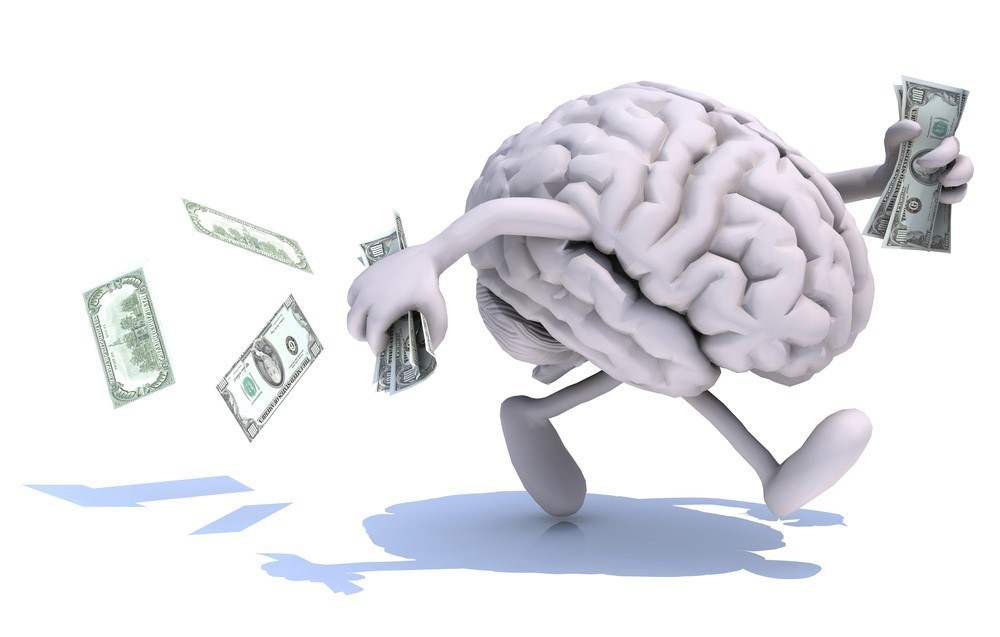
Because when your brain—not your emotions—is in control, your business has a fighting chance to thrive.
